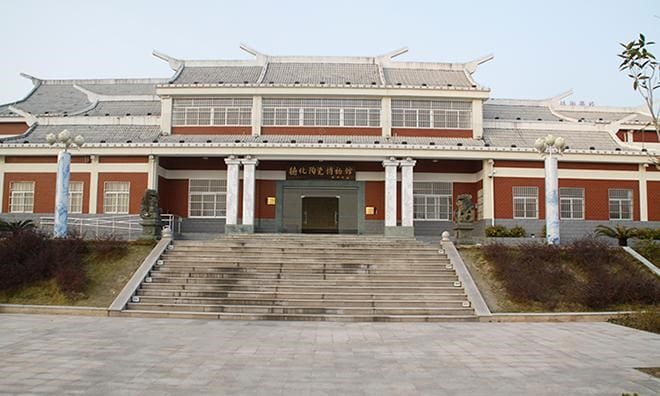
The Dehua study tour began with a symposium on “Millennia of Export Porcelain, New Dialogues in the Contemporary Era”. The discussions addressed three key aspects: historical value, craftsmanship inheritance and contemporary innovation of Dehua wares. These interests were incorporated in the planning of the trip.
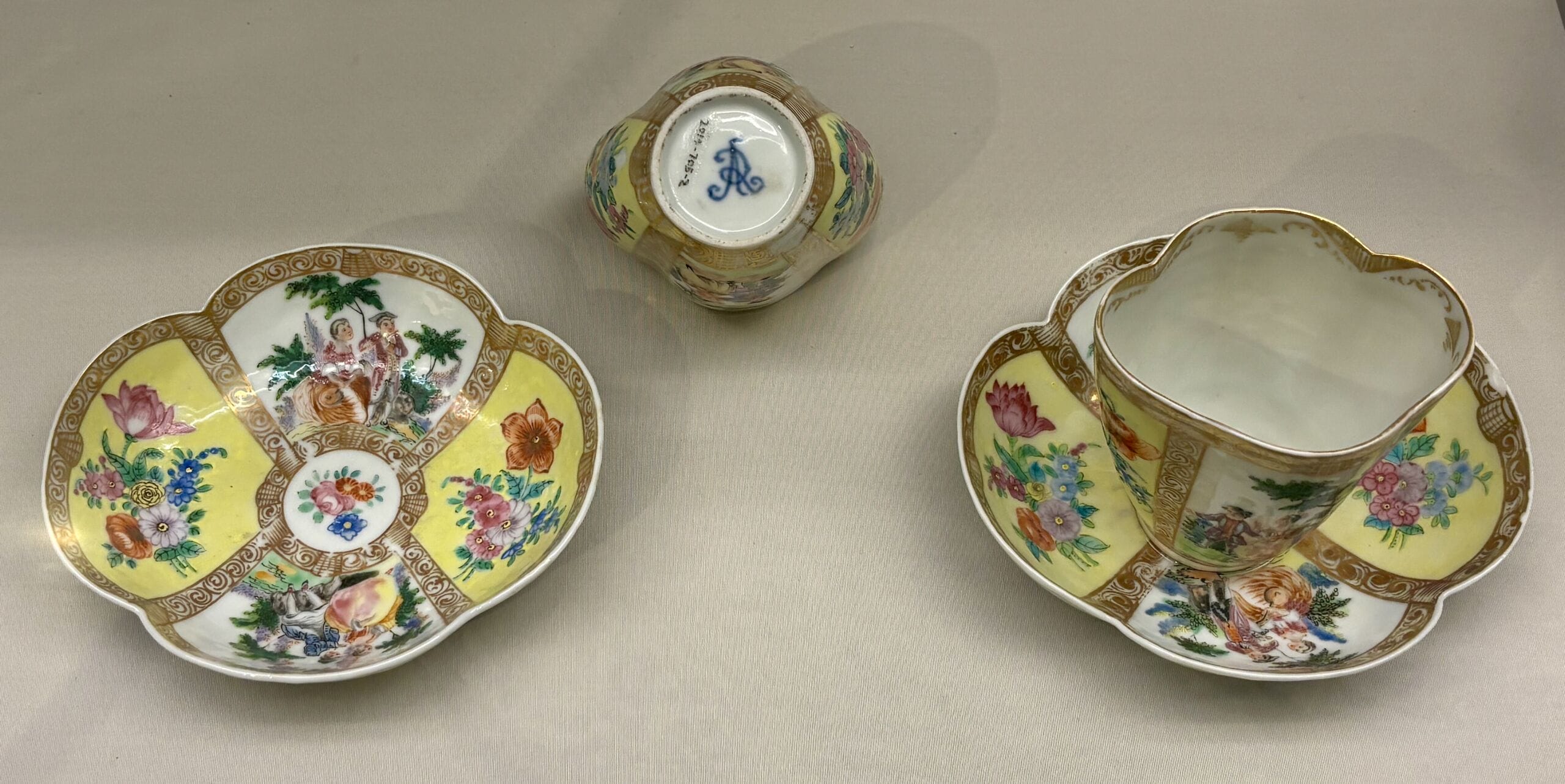
Dehua, the birthplace of the renowned blanc de chine, traces its production of white wares from the Song dynasty. Through Zayton Port (today’s Quanzhou), Dehua porcelains were widely distributed to Southeast Asia, Japan and other regions and were one of China’s key export ceramics. Dehua kiln sites are listed on the 2021 UNESCO World Heritage List for being a representative heritage element of “Quanzhou: Emporium of the World in Song and Yuan China”. The recognition underscores the historical importance of Dehua and its status as a vital player in the Maritime Silk Road.
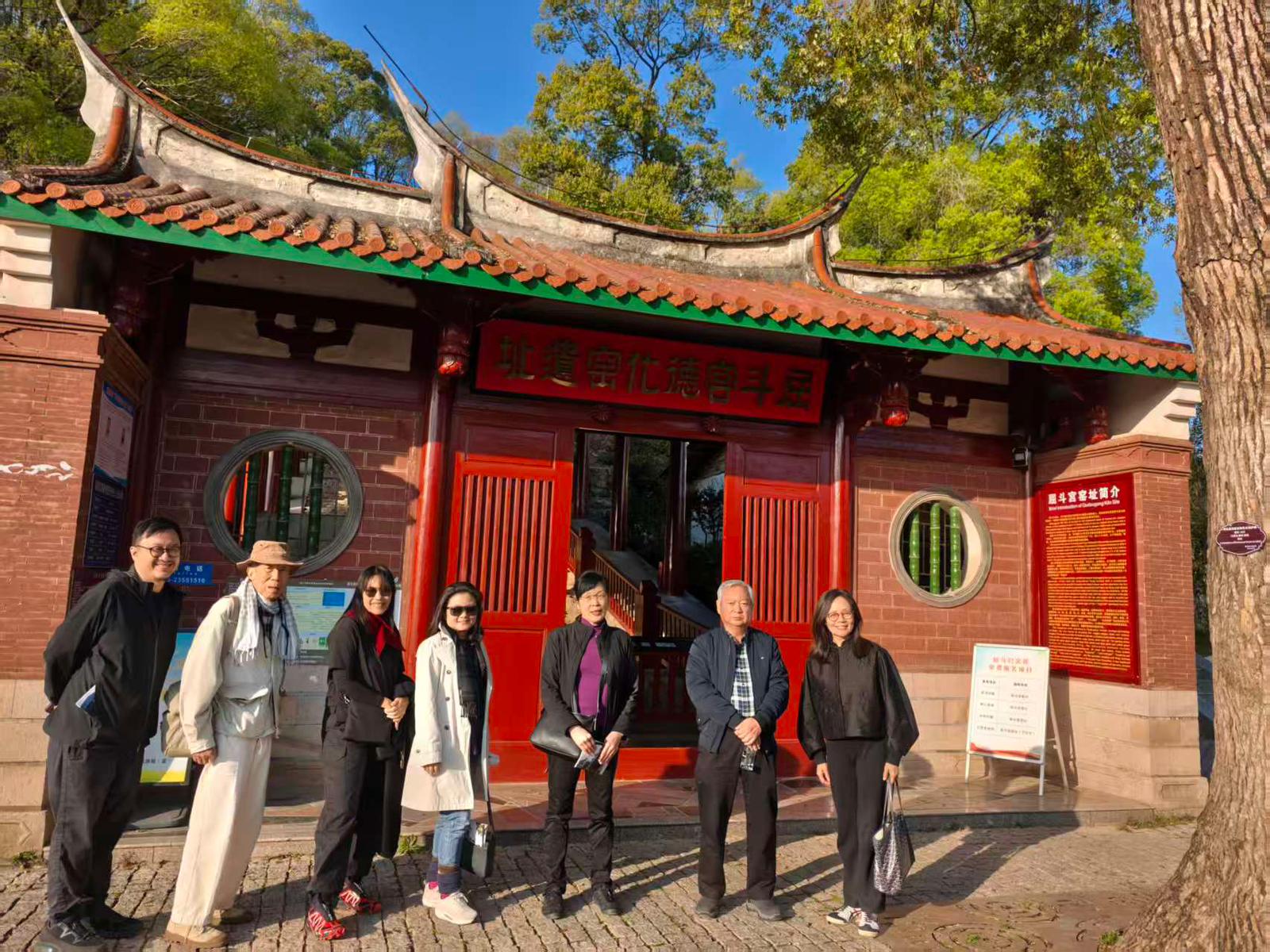
At Qu Dou Gong, Dehua
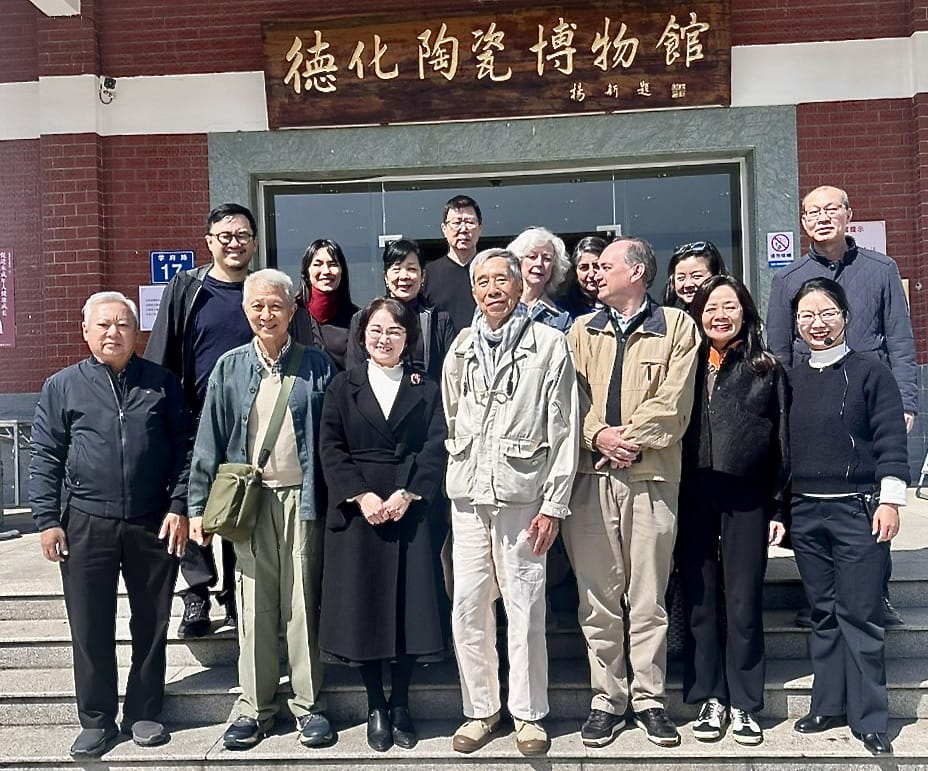
The SEACS Delegation and its Luzerne hosts
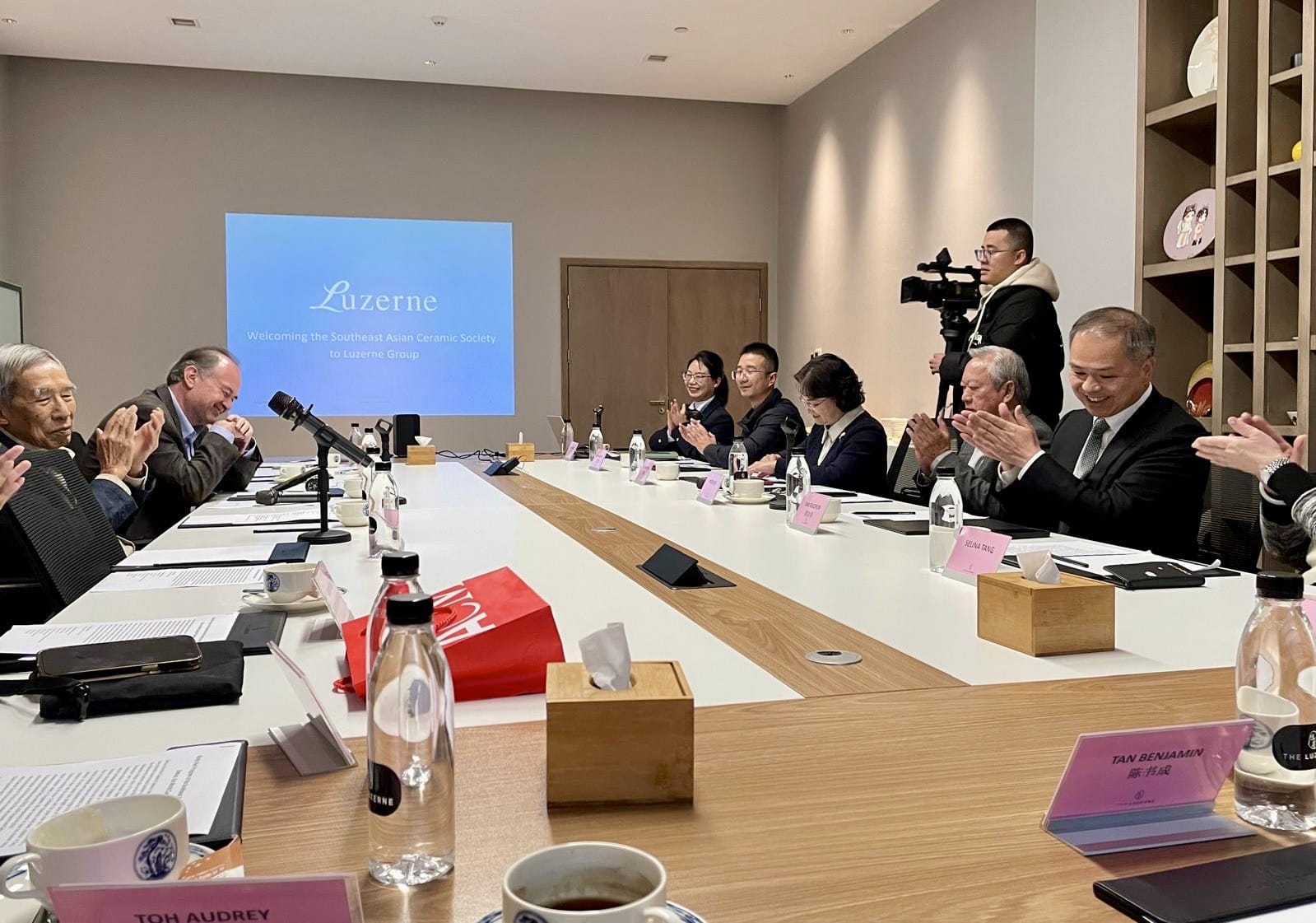
Opening Session of the Dehua Conference
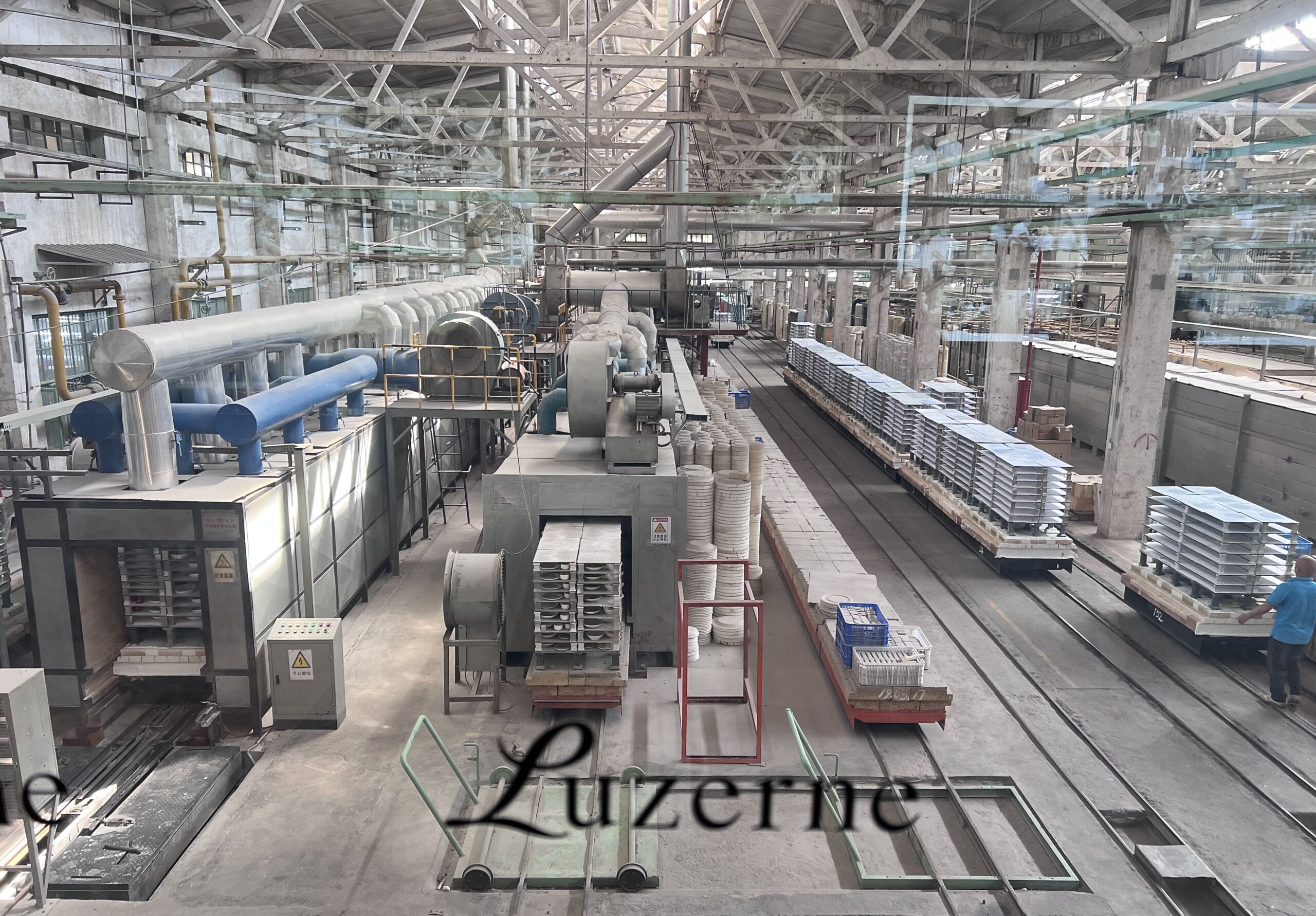
Overview of one of the production centres of Luzerne Ceramics
The success of Dehua was not simply due to its access to pure, soft and easy-to-mould porcelain clay, but also Dehua potters’ continuous innovation and extensive skill set. The improved kiln design–from traditional dragon kilns to Dehua’s unique “chicken coop” style chambered kilns around the 11thcentury–paved way to later developments of horizontal stepped kilns. The improved kiln structure enabled Dehua to fire more efficiently–higher quality and larger quantity–to meet increasing demand from overseas markets. Archaeological kiln sites such as Qudougong (Yuan dynasty) and Yueji (Song-Qing dynasties) provide a glimpse of these developments.
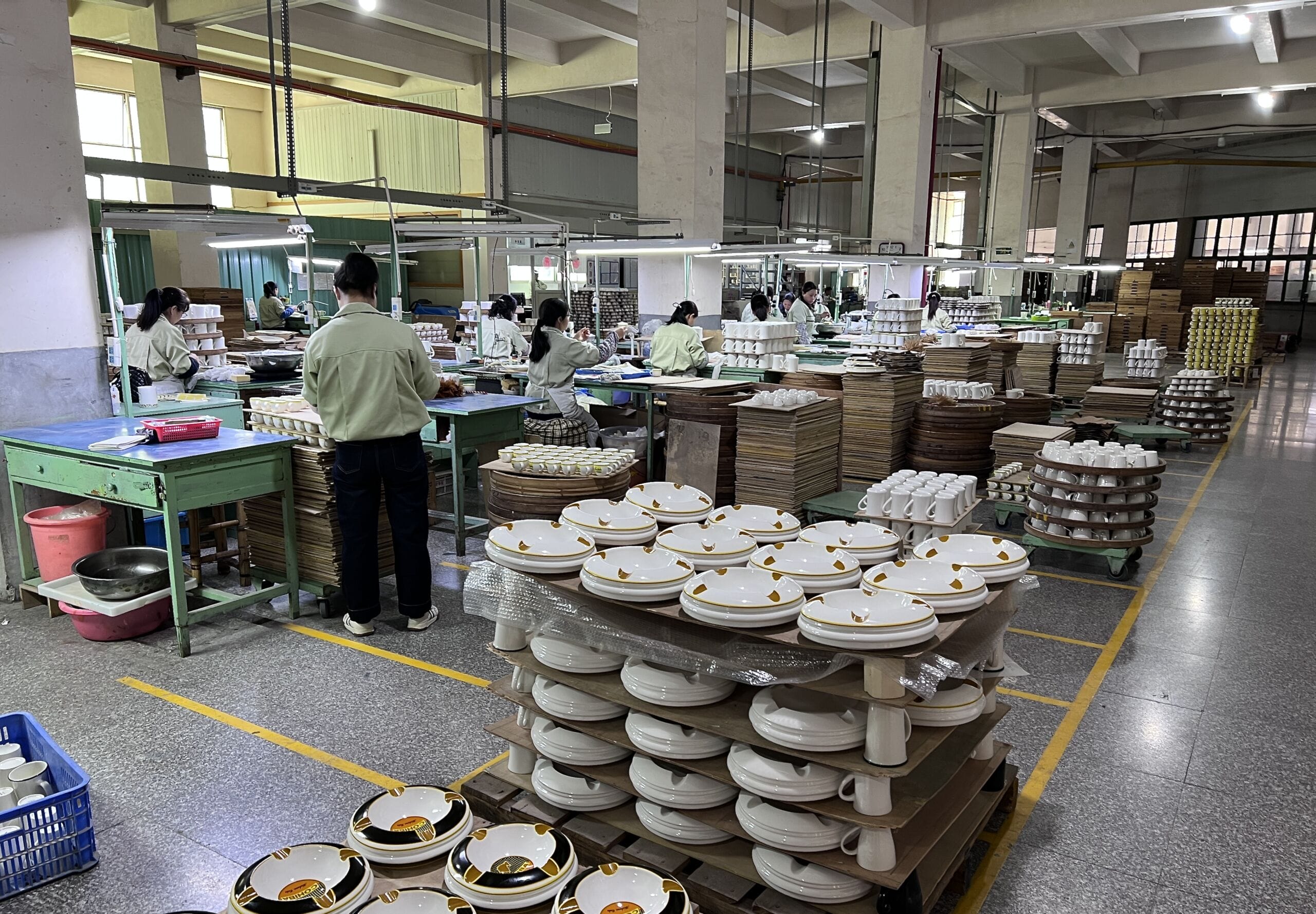
One of Luzerne's many production facilities
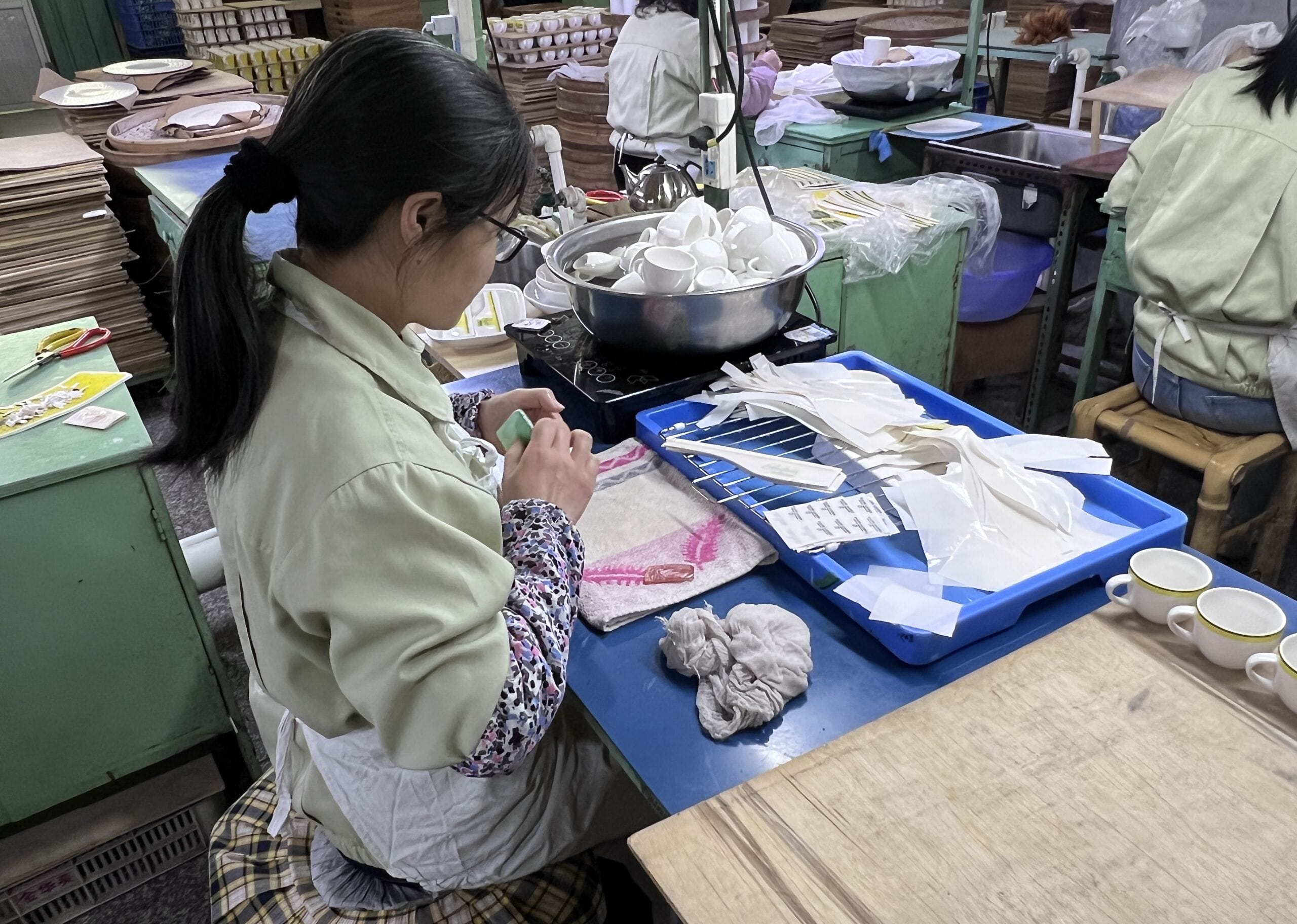
Quality control was visible throughout all of Luzerne's stations
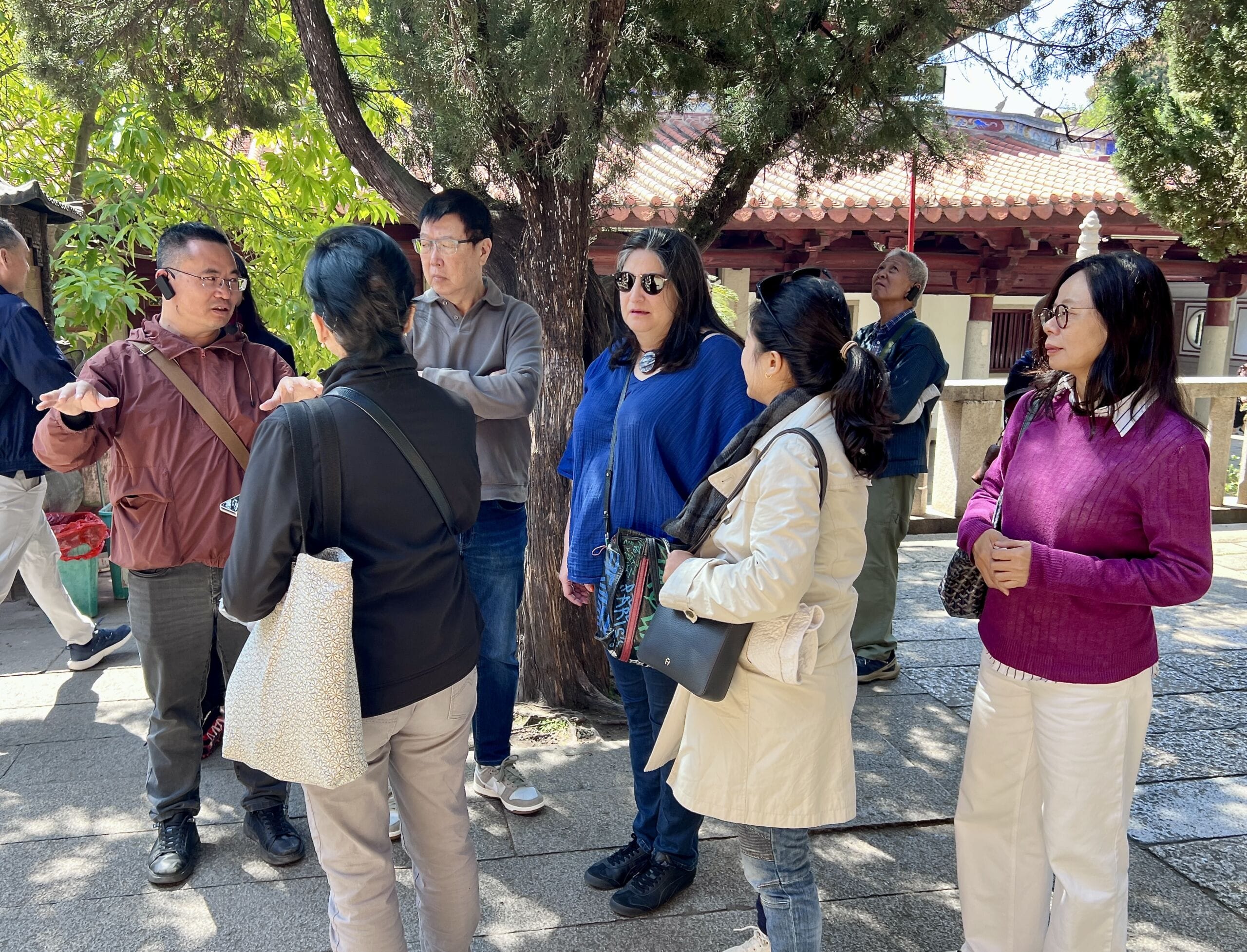
A little sightseeing at the Quanzhou Kaiyuan Temple
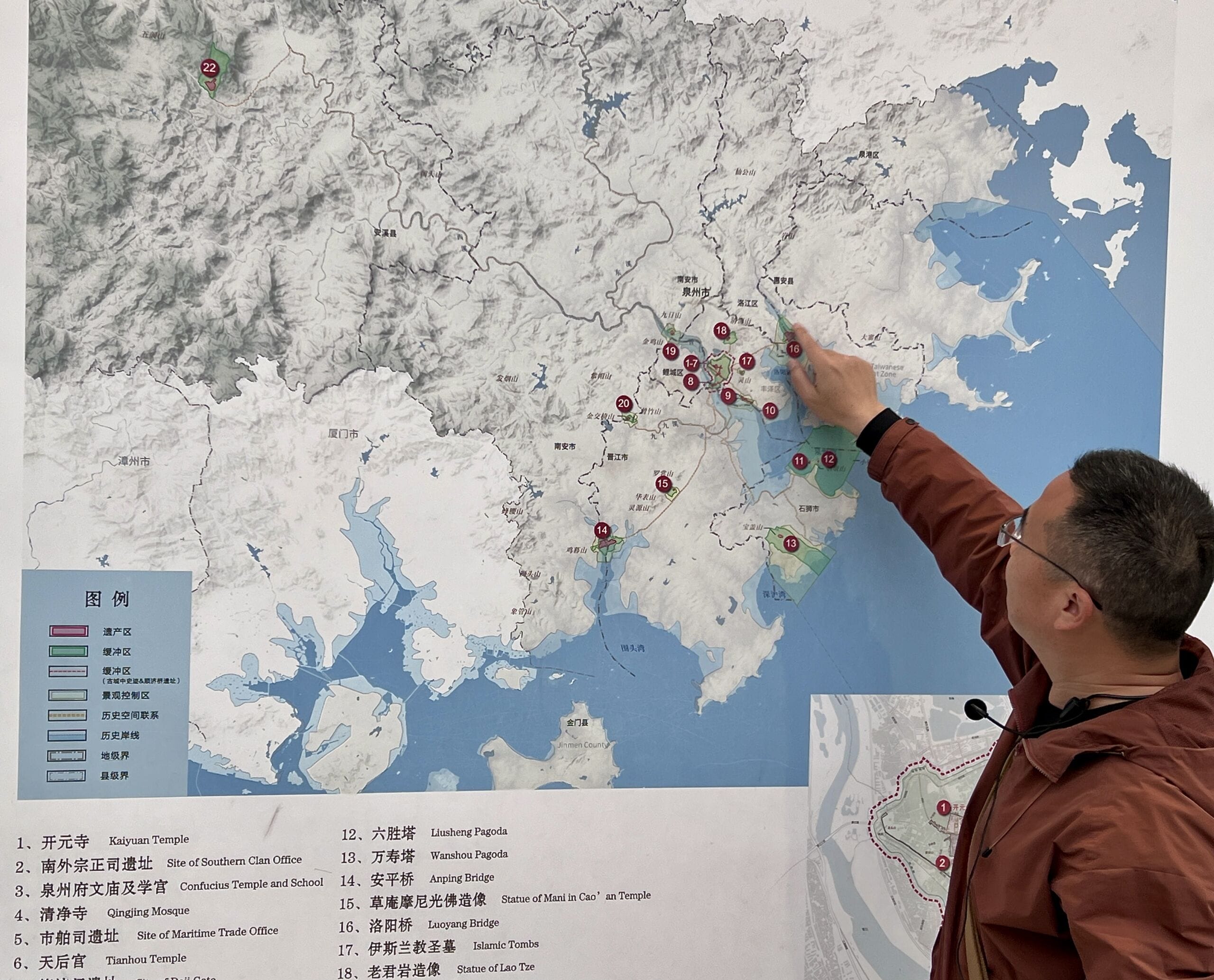
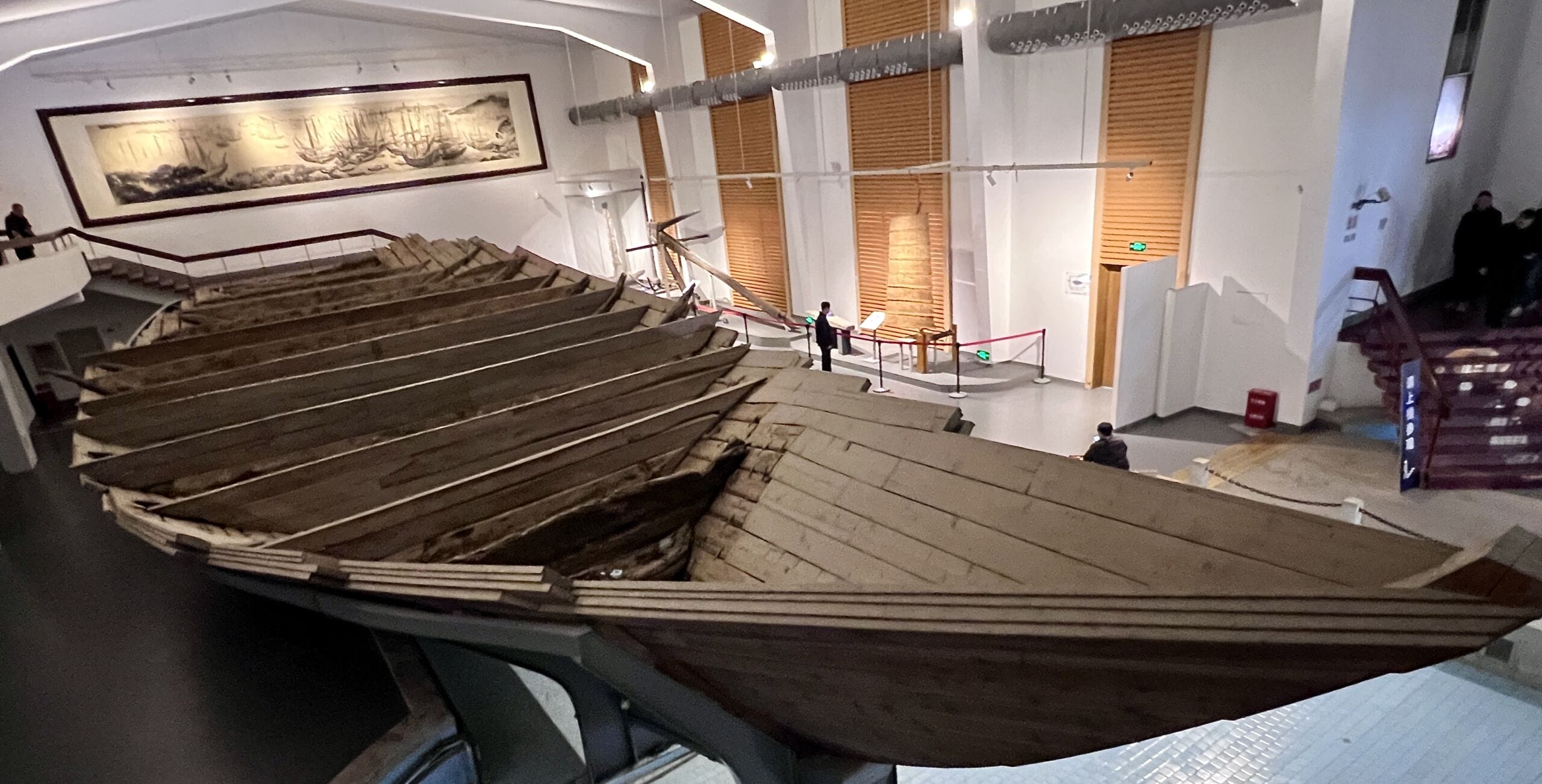
At the excellent Quanzhou Maritime museum
Today, Dehua potters, artists and even scientists strive to maintain their position as the “cradle of porcelain art”. Some of the inspiring developments include ceramic artists’ contemporary expressions or reinterpretation of traditional pieces presented in various private galleries and museums, such as master Xu Xianzhong’s famous “Paper” series. We were also amazed by the use of advanced 3D printing on ceramics for shaping objects at the Feng Huang Ceramics Research Institute.
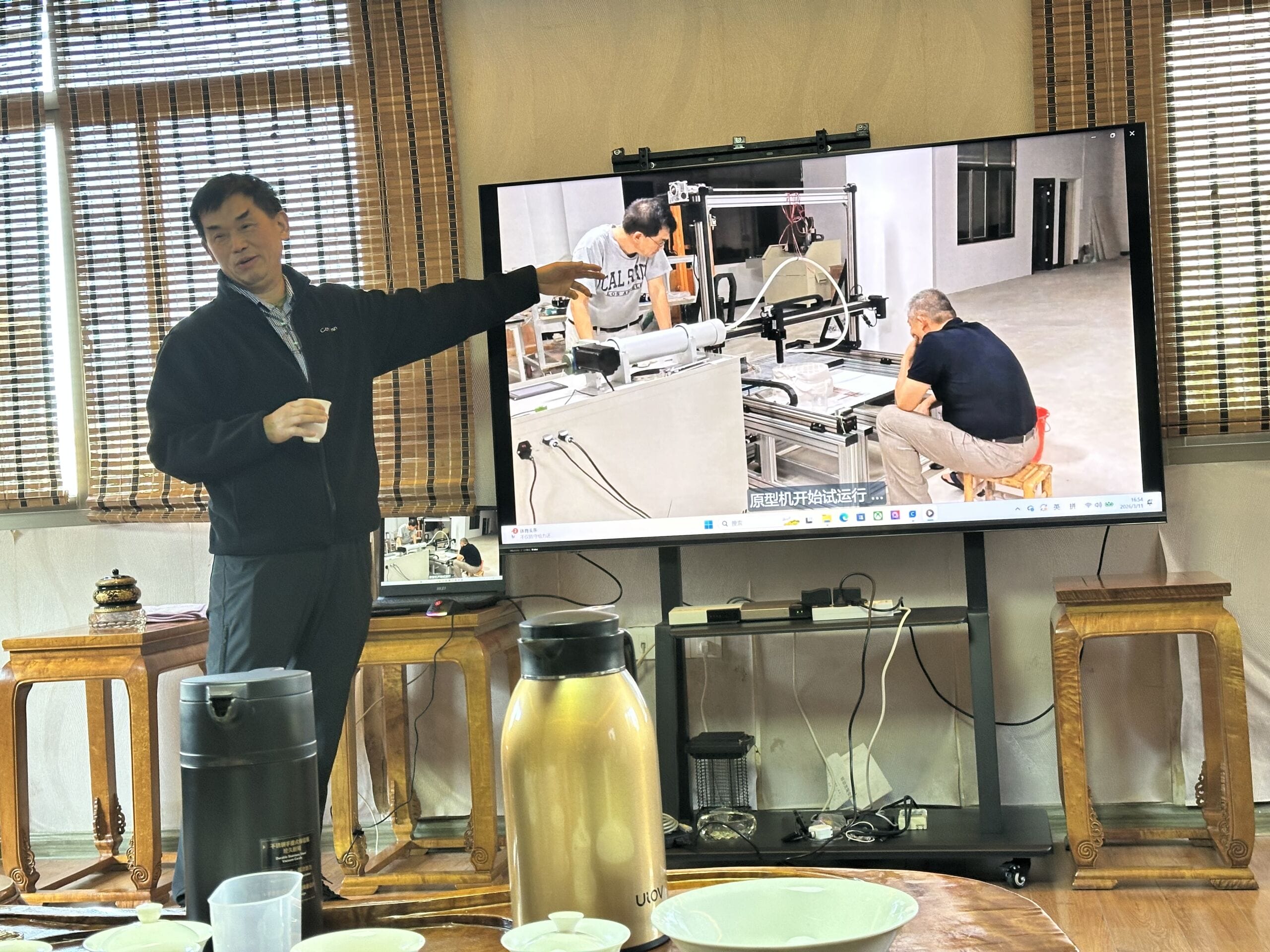
Explaining 3D media printing with porcelain in Dehua
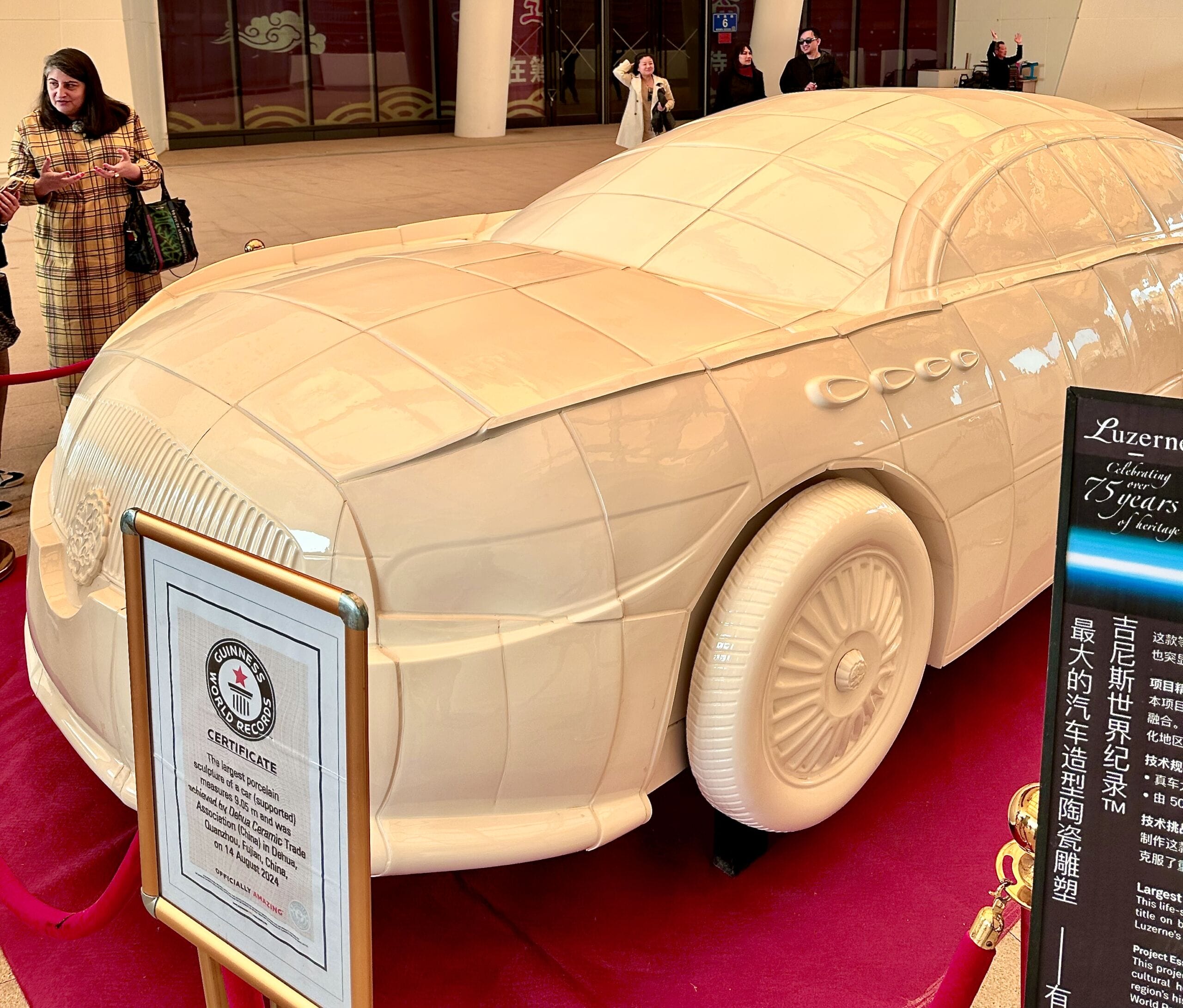
... and the result, a full-size porcelain car
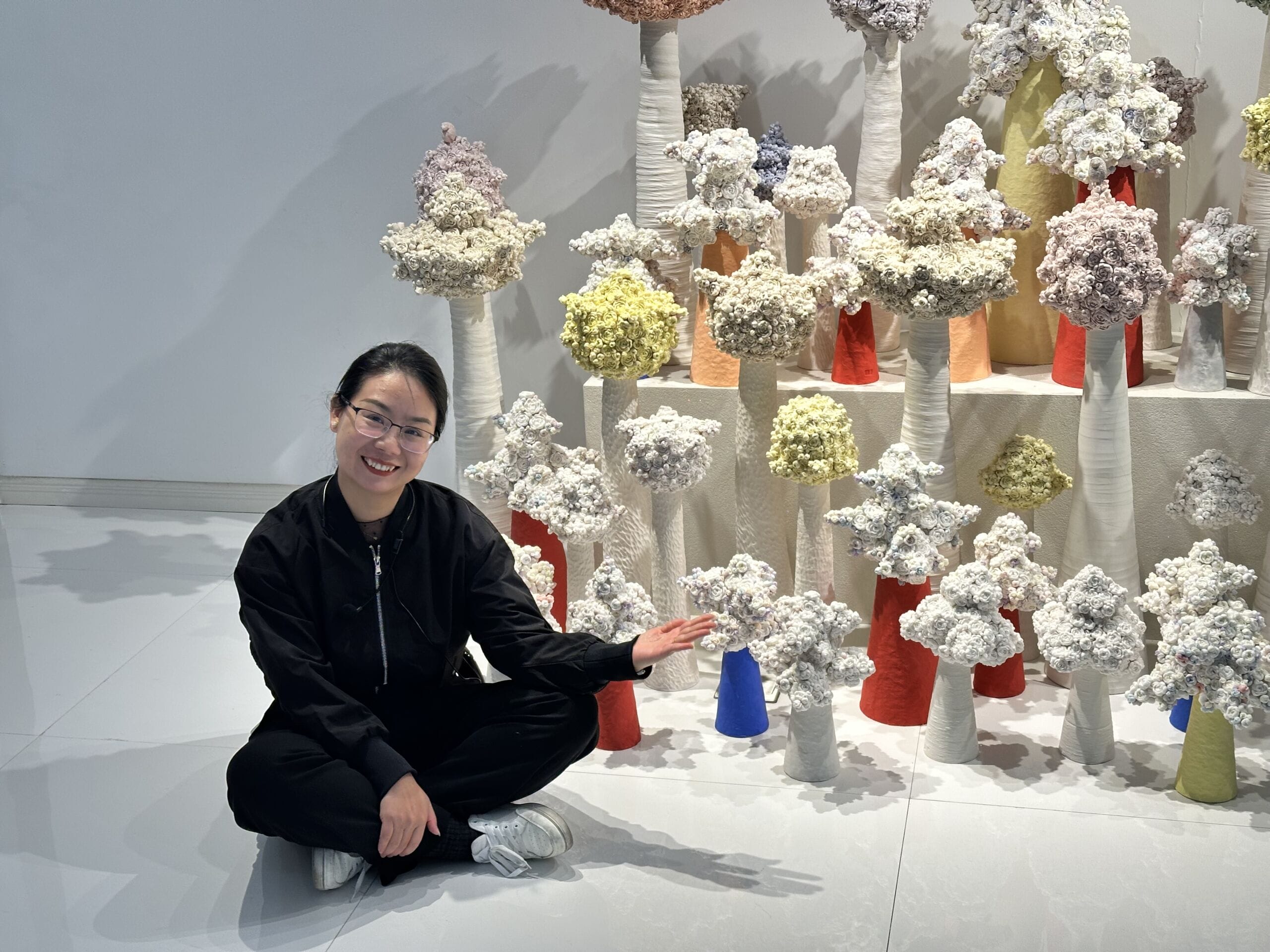
Our guide, Lillian, with a backdrop of porcelain flowers
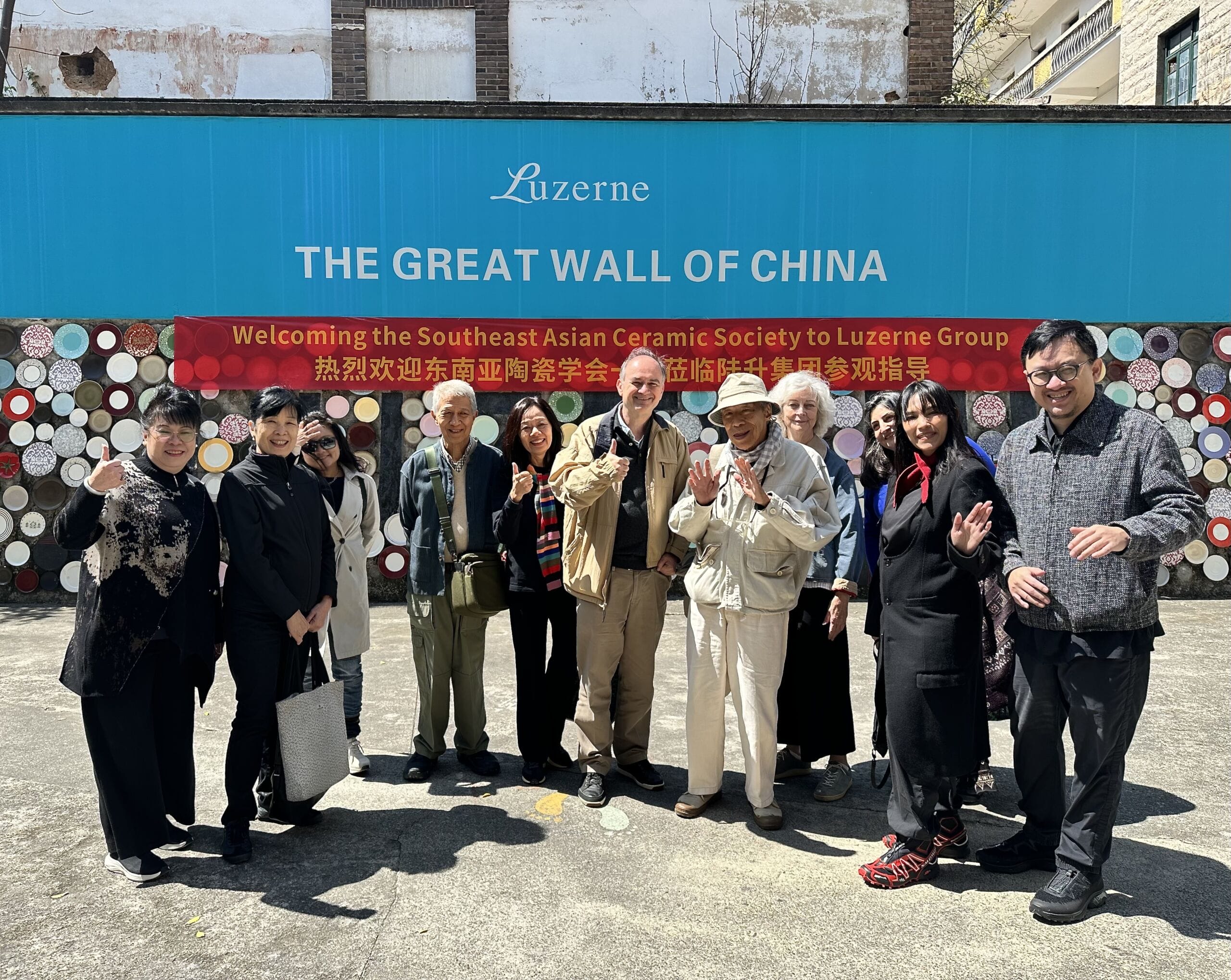
Thank you, Luzerne, for hosting our SEACS members!
Dehua remains one of the largest production and export bases of Chinese ceramic, boasting artistic creativity as well as industrial success. To help us better understand Dehua’s industrial production, the management team of Luzerne Group, Singapore’s longest established ceramics producer whose production facilities are in Dehua, kindly arranged a very informative factory tour. The tour shed light on the materials, mechanical process, waste recycling and potters’ role in the current environment. We gladly witnessed that moulding technique remains a characteristic of contemporary Dehua production, even for mass-produced tablewares! In addition to preserving cultural heritage, Luzerne created a life-sized ceramic car and was awarded “the Largest Ceramic Sculpture of a Car” in the Guinness World Record. The car will be a highlight piece in the new Dehua Ceramics Museum. Do pay a visit when you visit Dehua! –
– Contributed by Li-Ching Wang
To download a Chinese-language ppt presentation from Dehua, click here; to download an English-language ppt presentation from Dehua, click here. To download a one-page basic information sheet on Dehua ceramics, click here.