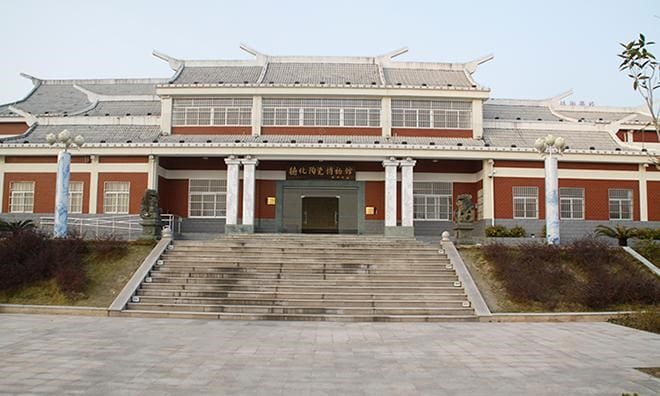
Establishment Date:
The Dehua County Ceramic Museum was established in March 1989.
Building Scale & Exhibition Halls:
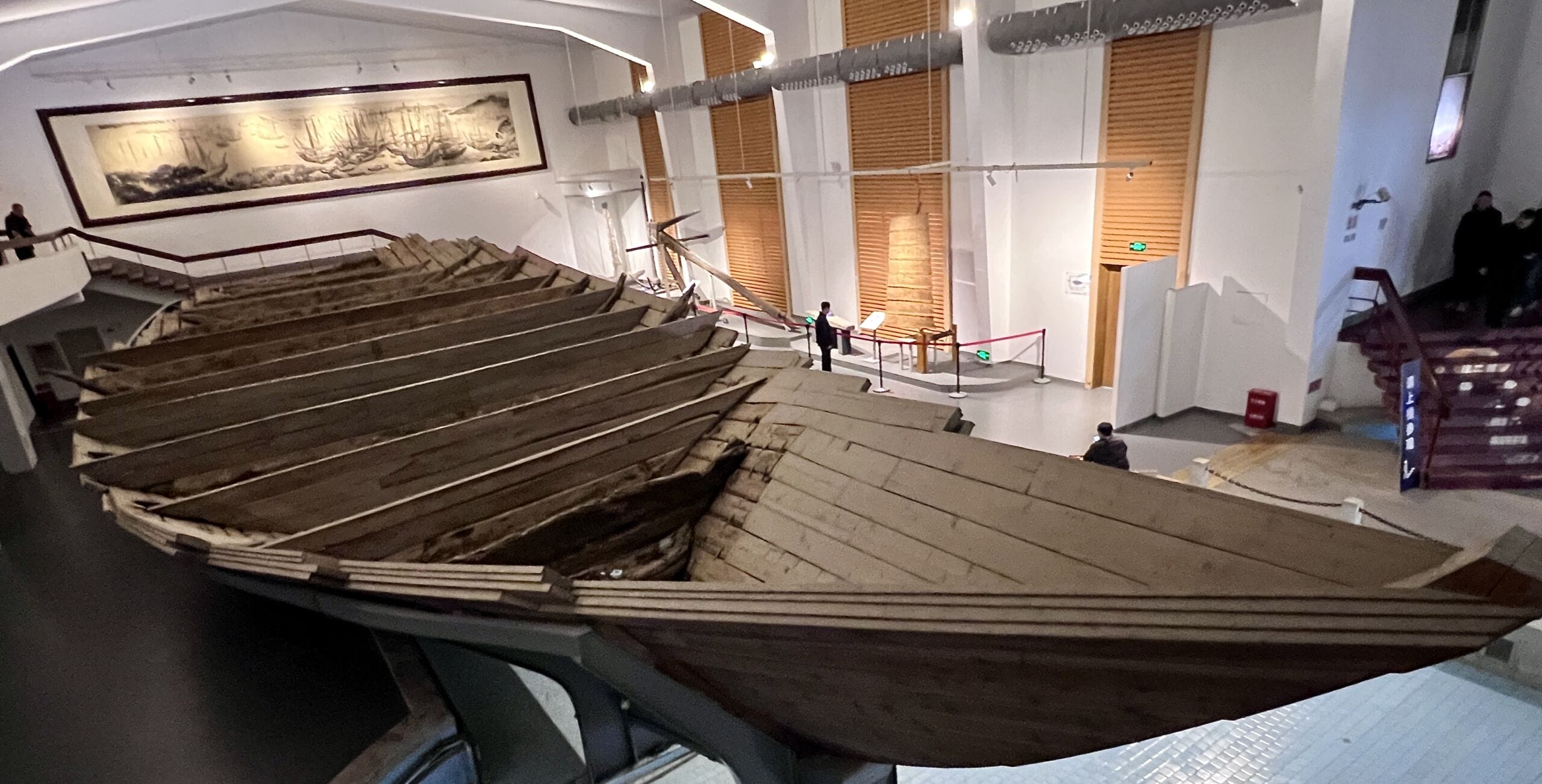
It is a national second-grade museum in Fujian Province. It is the first comprehensive ceramics museum in Fujian Province and an important window for Dehua County to promote ceramic culture, showcase exquisite ceramic craftsmanship, and its long ceramic history. Located on Xuefu Road, Xunzhong Town, the museum covers an area of approximately 3.3 hectares with a building area of 5,700 square meters. It is a two-story antique-style building.
– Contributed by Tracey Yeh
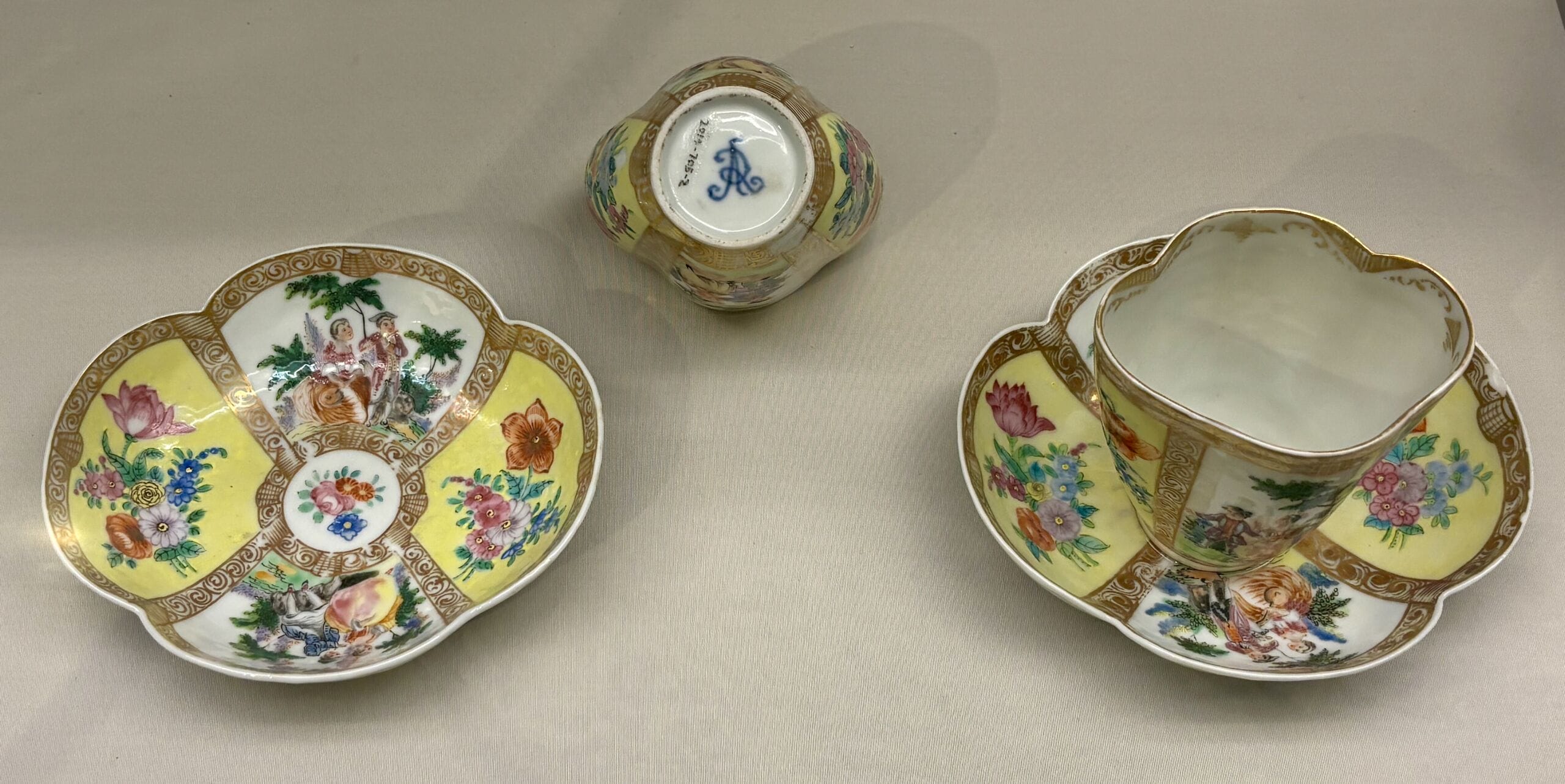
The museum currently houses over 12,000 artifacts, and has six exhibition halls:
• The main hall features a 13-meter-long, 2.5-meter-high high-relief mural made of Dehua white porcelain, reflecting the development history of ancient Dehua ceramics.
• There are three exhibition halls on the first floor that feature a permanent display regarding “A History of Dehua Ceramics,” which systematically showcases the development and great achievements of Dehua County’s ceramics from ancient times to the present, using historical development as its main threat. The permanent display is divided into seven sections:
1. Clay and Water Suitable for Ceramic Production, A Thousand Years of Kiln Smoke 水土宜瓷, 千年窑烟.
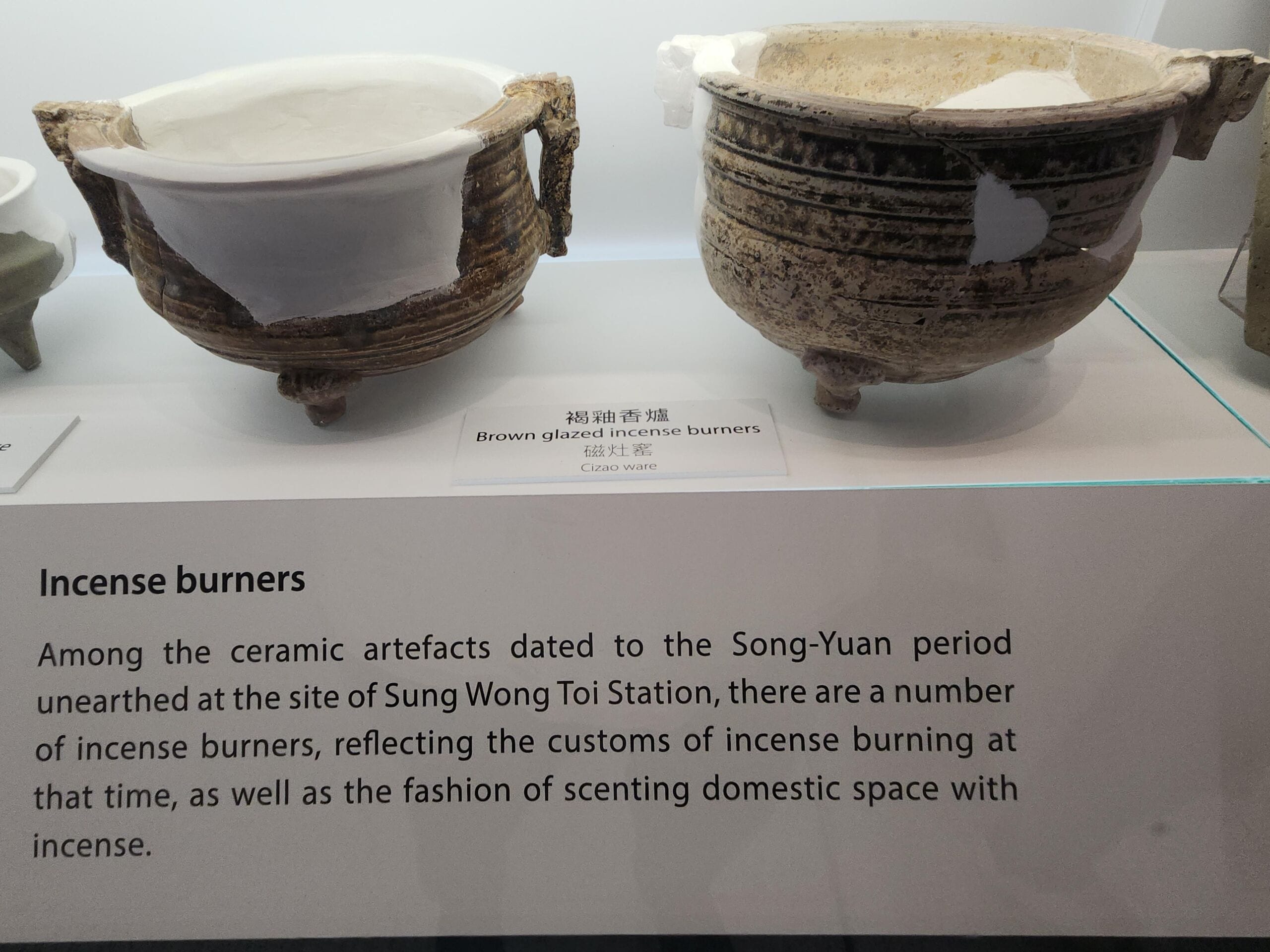
2. Song and Yuan Dynasty Ceramics, Emerging Talent 宋元瓷器、崭露头角.
3. Ming Dynasty White Porcelain, Unique Style 明代白瓷、独树一帜.
4. Qing Dynasty Blue and White Porcelain, Poetic and Picturesque 清代青花、诗情画意.
5. Maritime Silk Road Porcelain, Renowned Throughout the World 海丝瓷路、蜚声宇内.
6. Republic of China Porcelain, Inheriting Tradition 民国瓷器、承袭传统.
7. Pearl of the Porcelain Kingdom, A Hundred Flowers Blooming “瓷国明珠、百花齐放.
Precious Collection Introduction:
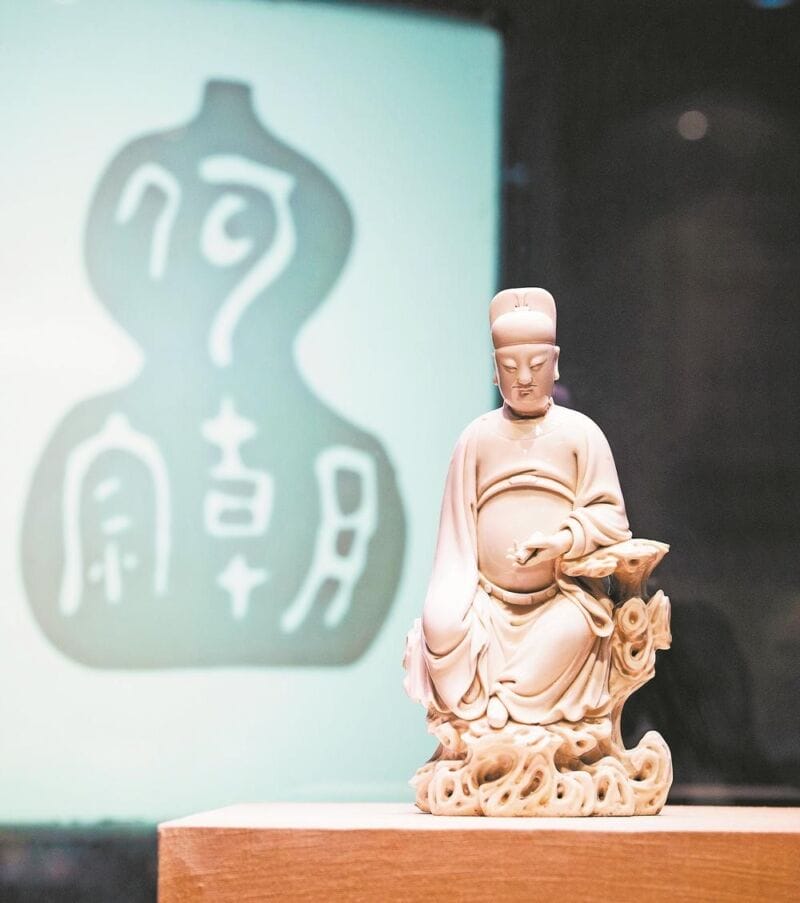
White Glazed Wenchang Emperor 白釉文昌帝君 – Ming Dynasty (1368-1644)
Height 30.8cm, Base 14cm x 10cm. The body is pure white and delicate, covered with a white glaze that has an ivory-yellow tinge. The glaze is milky white, and the unglazed base is exposed. Wenchang wears a turban-style hat, has a square face, and pores for his mustache on his upper and lower lips and chin. He has delicate features and a solemn expression. He wears an inner robe with a right-fastening cross-collar and an outer robe with a round collar and wide sleeves. His waist is bound with belts. His left-hand rests on a table holding a scroll, while his right-hand rests on his knee, concealed within his robe. He sits upright on a rock, the base of which is carved from rock, with a gourd-shaped seal reading “He Chaozong 何朝宗” in seal script on the back. The folds of his clothing are refined, and the lines are fluid. This is one of the few surviving works by the He family.
White Glazed Standing Guan yin Statue with Auspicious Clouds 白釉祥云观音立像
– Ming Dynasty (1368-1644
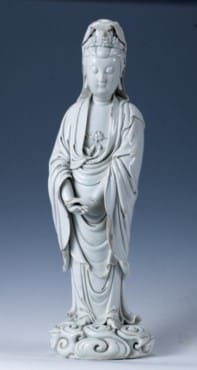
Height 49.5cm, Base Diameter 13.5cm × 11.3cm. Fine white body, covered with a lustrous white glaze, the base revealing the unglazed body. The Guanyin figure is adorned with a high-piled floral crown, covered with a shawl that drapes over her shoulders. Her face is dignified and full, with a slight smile. She wears a wide-sleeved, shoulder-length robe, her chest adorned with necklaces, and bracelets on her hands, folded in front of her abdomen. A long skirt trails on the ground, and she stands barefoot on a hollow cloud-shaped pedestal. The back is stamped with the seal “He Chaozong’s style 何朝宗款.” The figure is slender, with accurate proportions, and the folds of her robe are well-balanced. The swirling auspicious clouds convey a sense of movement, highlighting Guanyin’s divine image of saving all sentient beings.
————————————-
To download a pdf of this article, click here.