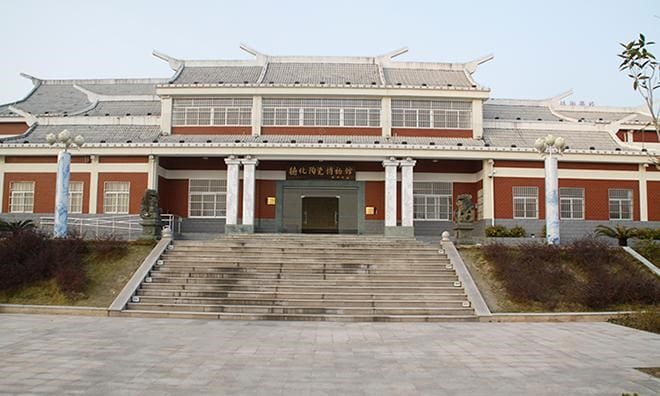
The Quanzhou Maritime Museum (泉州海外交通史博物馆) is called the Maritime Museum 海交馆 for short.
It is a national first-grade museum, founded in 1959. Its original site was located on the east side of the famous Buddhist temple, Quanzhou Kaiyuan Temple 泉州开元寺. In February 1991, the new main building was completed on Donghu Street. In 2003, the Quanzhou Islamic Culture Exhibition Hall was built on the east side of the main building. Currently, the two museums together cover an area of 35,000 square meters,
The Quanzhou Maritime Museum is a museum dedicated to ancient overseas trade, the Maritime Silk Road, and the various economic and cultural exchanges that arose from it. Centred on the history of Zaitun 刺桐 (which is another name for Quanzhou), the largest port in the Middle Ages, it vividly recreates China’s long and glorious ancient maritime culture through a wealth of unique maritime artefacts. It celebrates the heroic spirit of the Chinese people in conquering the seas, showcases the significant contributions of the Chinese nation to the opening of the Maritime Silk Road, and highlights its many great inventions in navigation and shipbuilding technology.
Currently, the Quanzhou Maritime museum features permanent displays that include the following 5 exhibition halls.
The Five Exhibition Halls:
1. Please browse the website link of each exhibition hall to see the photos of The World of Chinese Ships 中国舟船世界. http://www.qzhjg.cn/html/gdzl/20210805/971.html
“No nation in the world has demonstrated greater independence in art and shipbuilding than the Chinese,” and Chinese wooden ships “are unique in the world, whether in terms of their sleek lines, their decoration, or their versatility.” (I.A. Donnelly, Chinese Wooden Ships)
2. Quanzhou: The World’s Maritime Trade Center of Song and Yuan China 泉州: 宋元中国的世界海洋商贸中心 http://www.qzhjg.cn/html/gdzl/20210727/963.html
During the Song and Yuan Dynasties, there was a bustling city on the southeastern coast of China. Its harbor was filled with ships from all over the world. From afar, sails shimmered on the sea, reflecting the sun and moon. What magic lay behind this magnificent sight? Why did they gather in this city, named after Zaitun 刺桐, the coral tree (another name for Quanzhou)? What charm did this city possess that attracted visitors from afar?
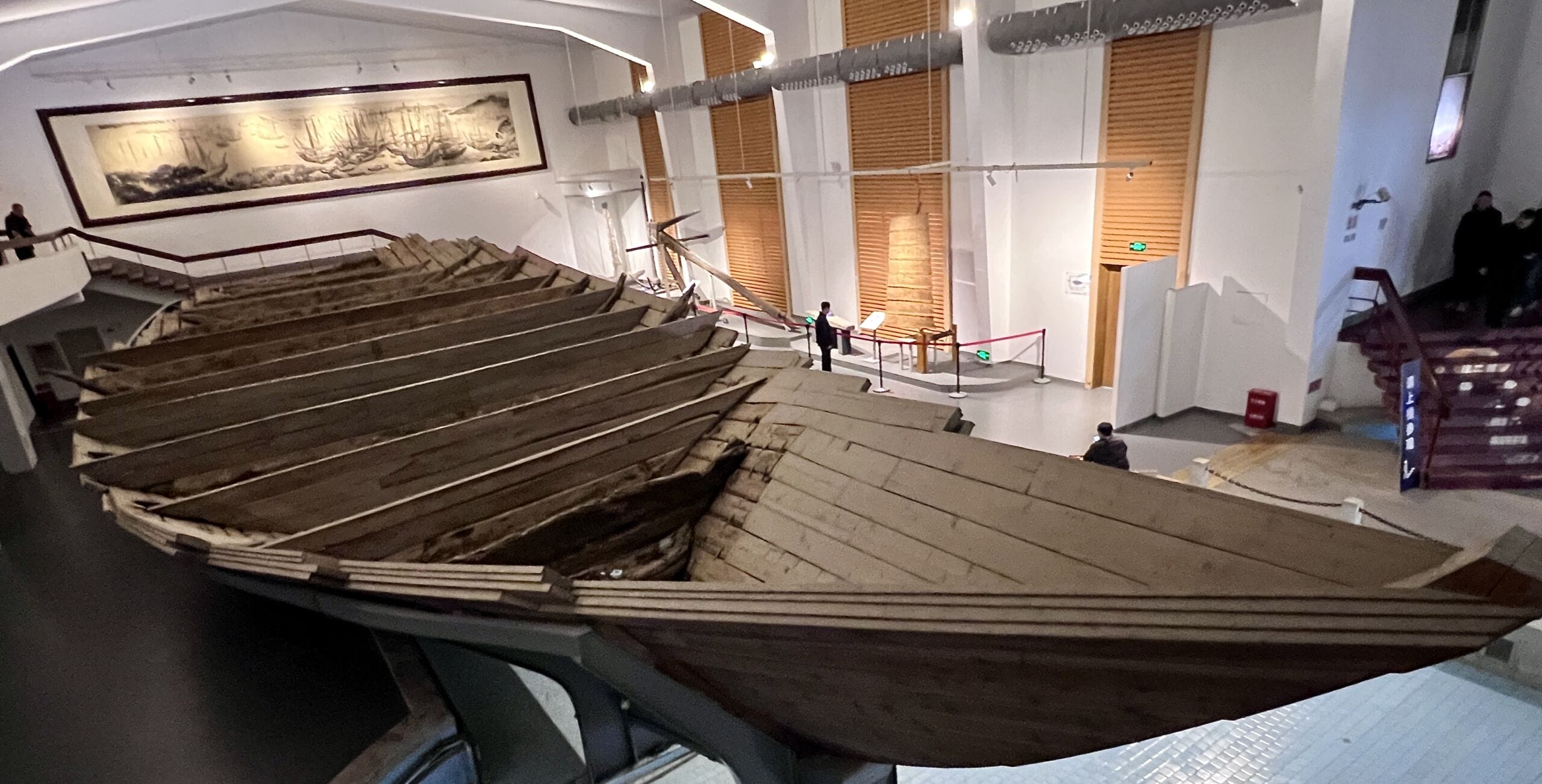
3. Quanzhou Bay Ancient Ship Exhibition Hall 泉州湾古船陈列馆
http://www.qzhjg.cn/html/gdzl/20141001/684.html
In 1973, an old shipman reported a shipwreck of unknown age on the beach near Houzhu Port in Quanzhou Bay泉州湾后渚港. Archaeologists rushed to the scene and quickly determined that it might be an ancient shipwreck. After a year of archaeological excavation, a Chinese seagoing vessel from over 700 years ago was discovered! The discovery of the ship immediately caused a sensation around the world, as it was the oldest and largest wooden sailing ship ever discovered, and many of China’s great inventions and innovations in shipbuilding technology could be confirmed in this shipwreck.
4. Quanzhou Religious Stone Carvings Exhibition Hall 泉州宗教石刻馆
http://www.qzhjg.cn/html/gdzl/20180126/508.html
From the 10th to the 14th centuries, with the development of maritime transportation and the prosperity of maritime trade, Quanzhou (also known as Zaitun) became a crossroads of different cultures from around the world. Tens of thousands of merchants, missionaries, envoys, travelers, nobles, and commoners from Asia, Europe, and Africa resided here, with Persians, Arabs, Indians, and Europeans being the most numerous. They enjoyed freedom of trade and religion in Quanzhou, bringing not only exotic treasures from around the world but also diverse cultures and religions. Thus, Islam, Christianity, Catholicism, Hinduism, Manichaeism, Judaism, and other religions had gathered here and enriched the Chinese civilization.
5. Arab-Persian Exhibition Hall in Quanzhou 阿拉伯-波斯人在泉州陈列馆
http://www.qzhjg.cn/html/gdzl/20180126/507.html
The introduction of Islam to Quanzhou can be traced back to the Tang Dynasty (618-907). At that time, a considerable number of Arab-Persian merchants arrived along the Maritime Silk Road. During the Southern Song and Yuan Dynasties (1127-1368), this major eastern port city, known as “Zaitun,” became their largest commercial outpost and settlement in the Far East. In this open and incredibly prosperous international metropolis, Muslim expatriates freely engaged in commerce, preached, and lived, participating in many significant social affairs. The Islamic stone carvings in the exhibition hall tell this unforgettable and moving history.
Additionally, there is one exhibition open by appointment—”Zhuang Hengdai Collection Hall 庄亨岱藏品馆.”
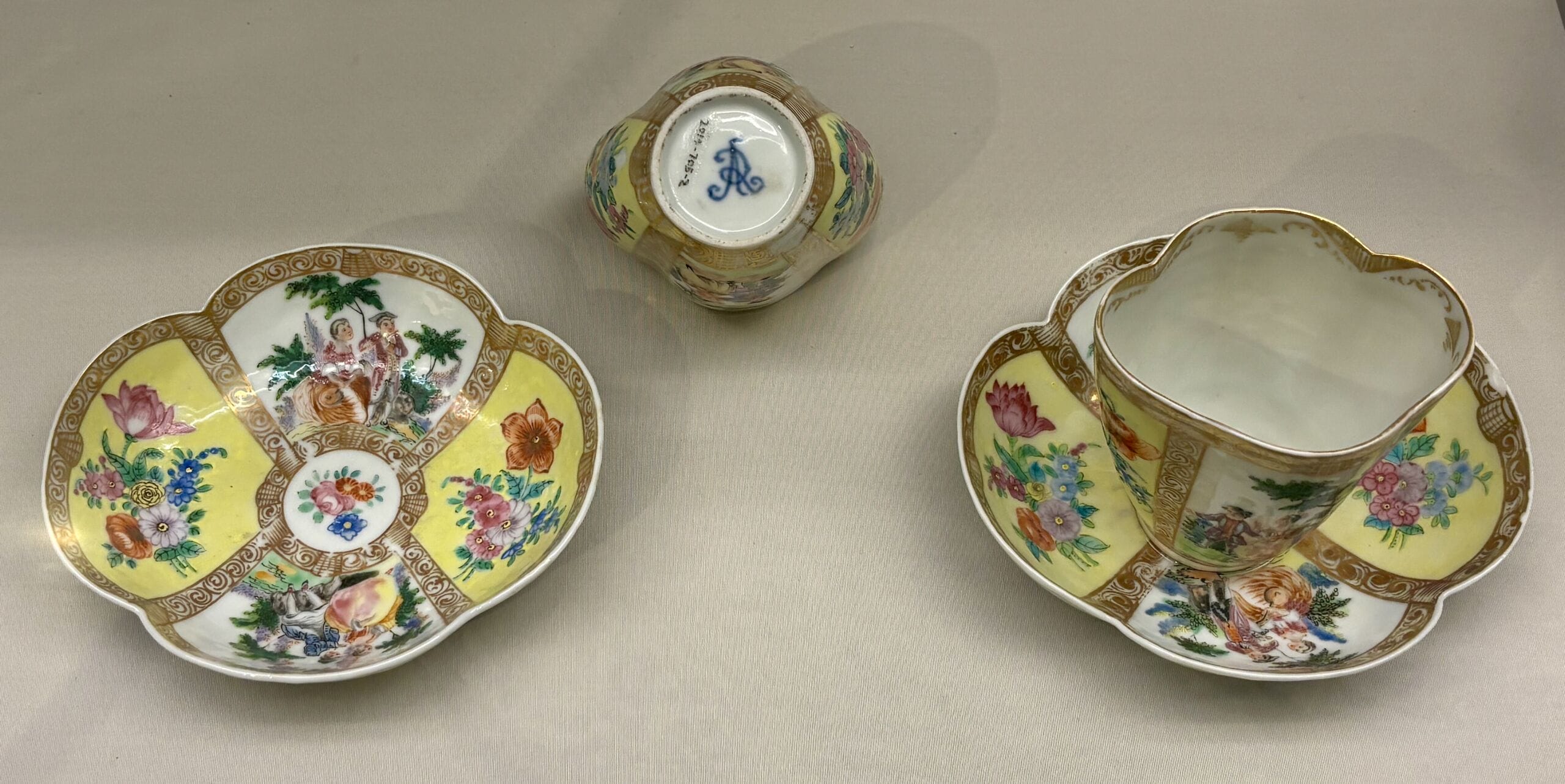
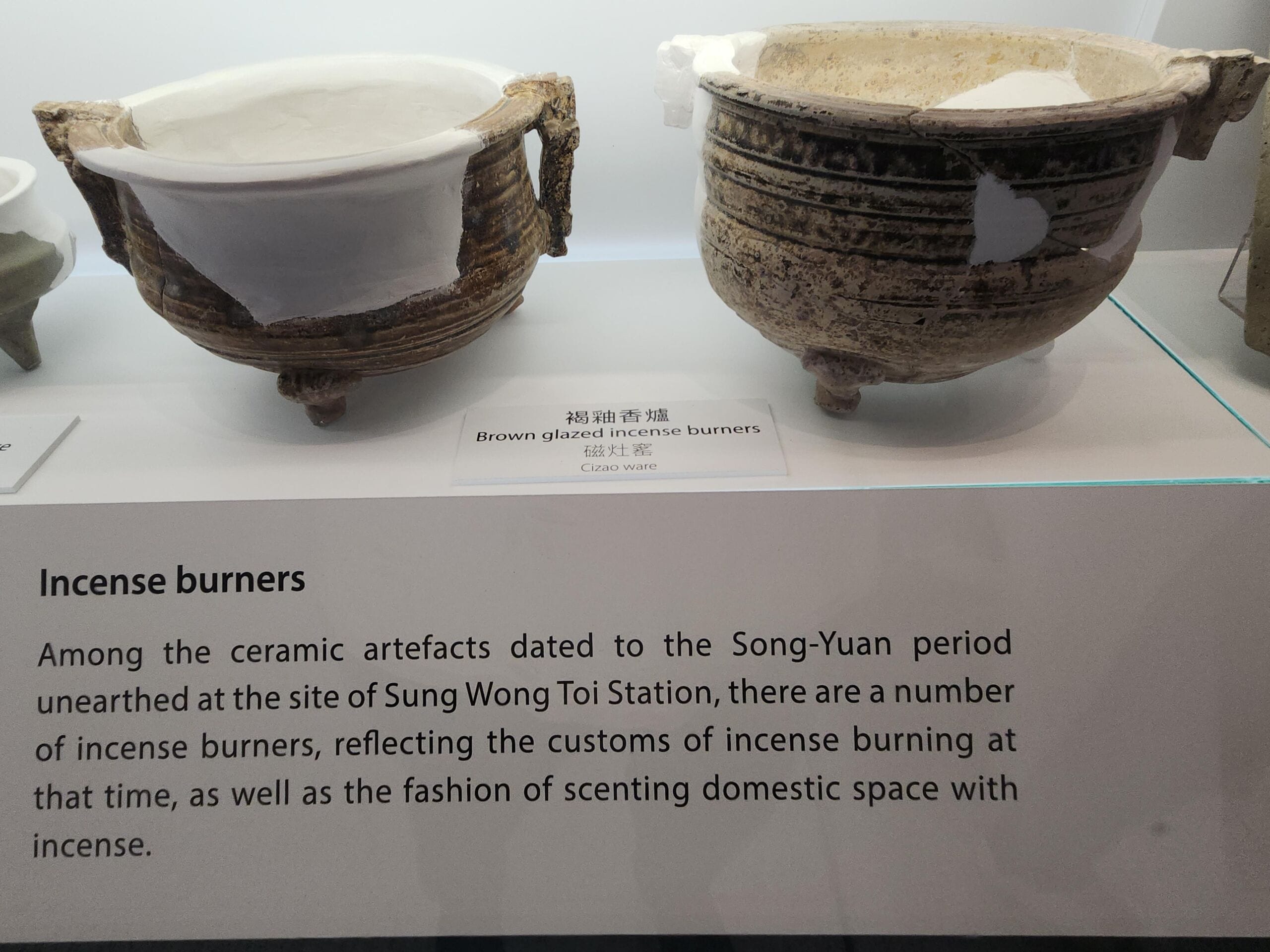
These exhibition halls display numerous world-renowned cultural relics and treasures. In addition to a Song Dynasty seagoing vessel, the oldest and largest discovered in China to date, and its numerous accompanying artefacts, there are dozens of ancient wooden, iron, and stone anchors; hundreds of Song and Yuan Dynasty Islamic, ancient Christian, and Hindu stone carvings; export ceramics from various periods; over 160 representative ship models from various waterways throughout Chinese history; and a large number of artefacts reflecting overseas trade and cultural customs.
– Contributed by Tracey Yeh